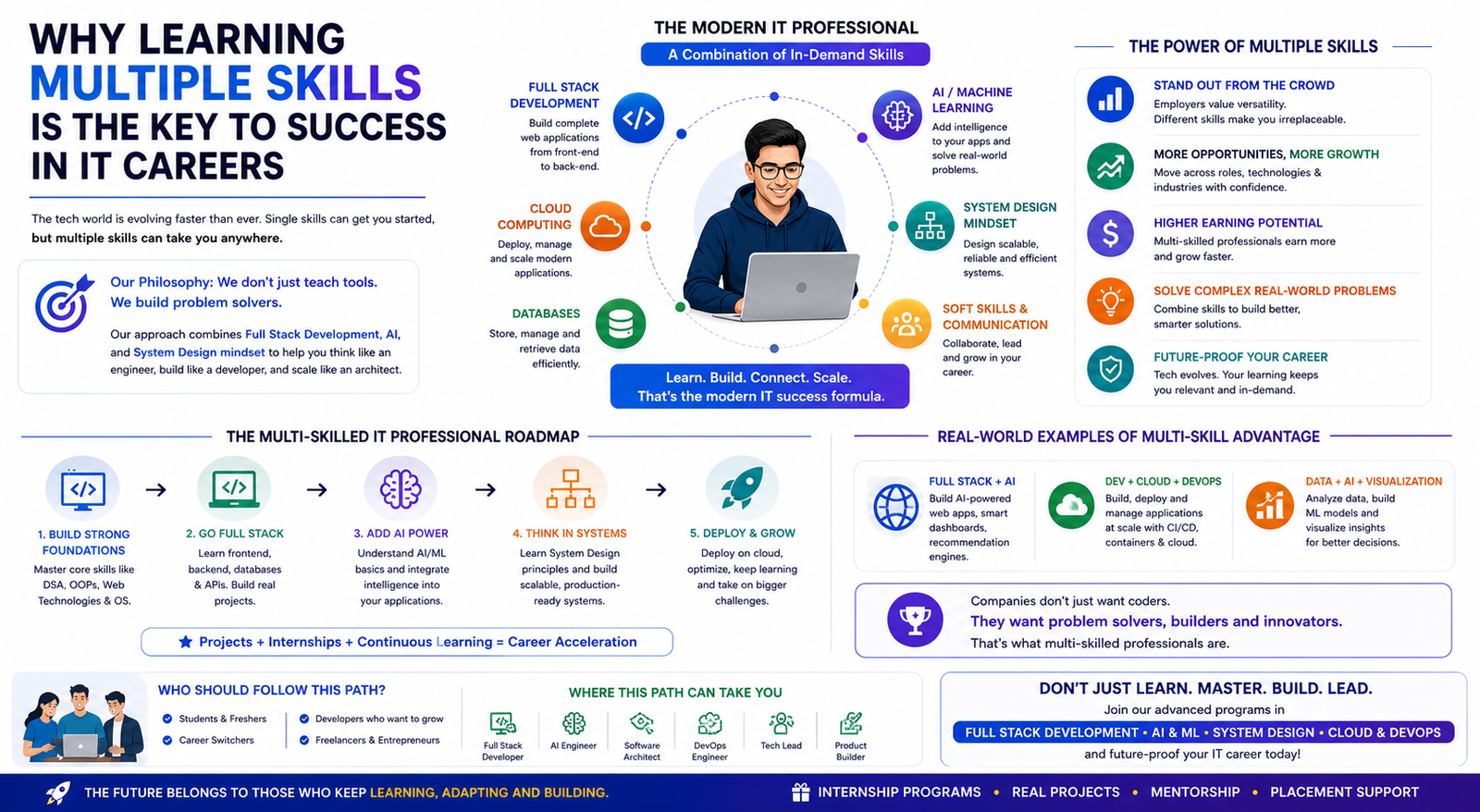
In today’s rapidly evolving tech industry, relying on a single skill is no longer enough. The most successful professionals are not those who know just one technology, but those who understand multiple domains and can connect them effectively.
This is why learning multiple skills—combining development, AI, and system design thinking—is becoming the key to long-term success in IT careers.
The Reality of Modern IT Careers
The industry has changed.
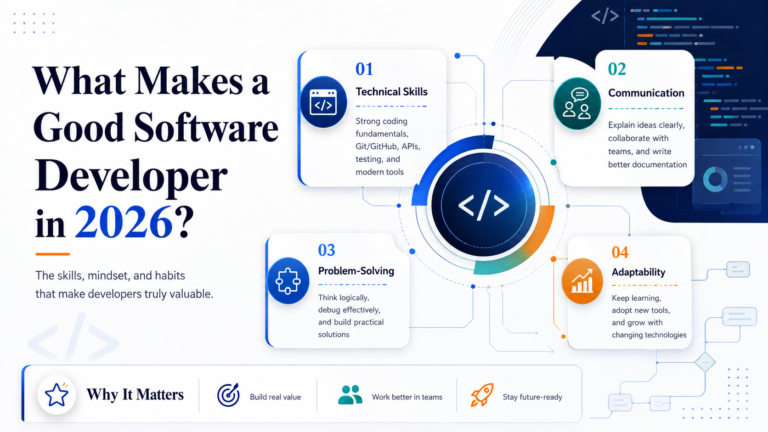
Companies no longer look for developers who only write code. They look for professionals who can:
- Understand complete systems
- Solve real-world problems
- Work across multiple technologies
This shift has made multi-skilled professionals more valuable than ever.
Why One Skill is Not Enough
Many students focus on just one area:
- Only frontend development
- Only Python basics
- Only a single tool
This creates limitations.
You may get started, but growth becomes slow because you lack depth and flexibility.
The Power of Combining Skills
When you combine multiple skills, you gain a major advantage.
1. Full Stack Development
Understanding both frontend and backend helps you build complete applications.
You are not dependent on others and can think like a product builder.
2. AI and Data Understanding
Adding AI or data skills allows you to build smarter systems.
You can work with data, automation, and intelligent applications.
3. System Design Thinking
System design helps you understand how large-scale applications work.
You learn:
- Scalability
- Architecture
- Performance optimization
This is what separates average developers from top professionals.
Real-World Advantage of Multi-Skilled Professionals
Consider two developers:
Developer A:
- Knows only frontend
Developer B:
- Knows frontend + backend + basic AI + system design
👉 Who will grow faster?
Developer B, because they can:
- Build complete products
- Solve complex problems
- Adapt to different roles
How Multi-Skills Improve Your Career
Learning multiple skills helps you:
✔ Increase job opportunities
✔ Earn higher salaries
✔ Switch roles easily
✔ Build your own products
It also makes you future-proof in a fast-changing industry.
The Right Way to Learn Multiple Skills
Learning multiple skills does NOT mean learning everything randomly.
Follow this structured approach:
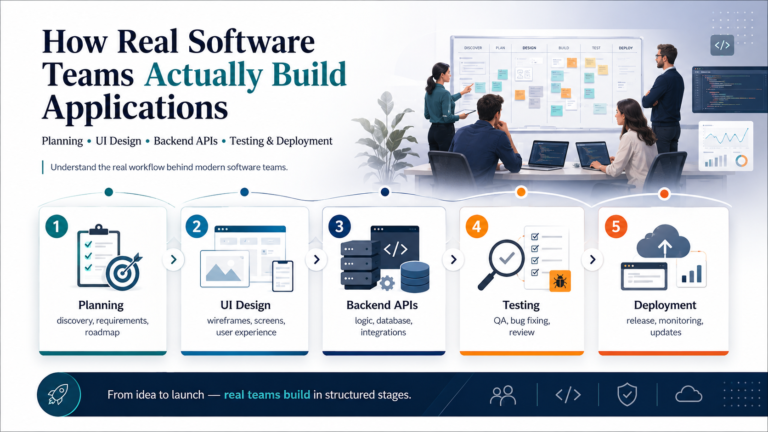
Step 1: Build Strong Fundamentals
Start with core programming (C, C++, Java, or Python).
Step 2: Move to Development
Learn full stack development and build projects.
Step 3: Add Specialization
Choose one area like AI, data science, or advanced backend.
Step 4: Learn System Design
Understand how systems scale and work in real-world environments.
Common Mistake to Avoid
Many students misunderstand this concept and try to learn everything at once.
This leads to:
- Confusion
- Lack of depth
- No real expertise
The goal is not to learn everything, but to learn in the right sequence.
The Future Belongs to Multi-Skilled Developers
The IT industry is moving toward integration.
Developers who can combine:
- Development
- Data
- Systems
will always stay ahead.
Final Thoughts
Learning multiple skills is not just an advantage—it is a necessity in modern IT careers.
If you want long-term success, focus on building a strong foundation, expanding your skill set, and understanding how technologies work together.
This mindset will help you grow faster, earn more, and build a sustainable career in the tech industry.