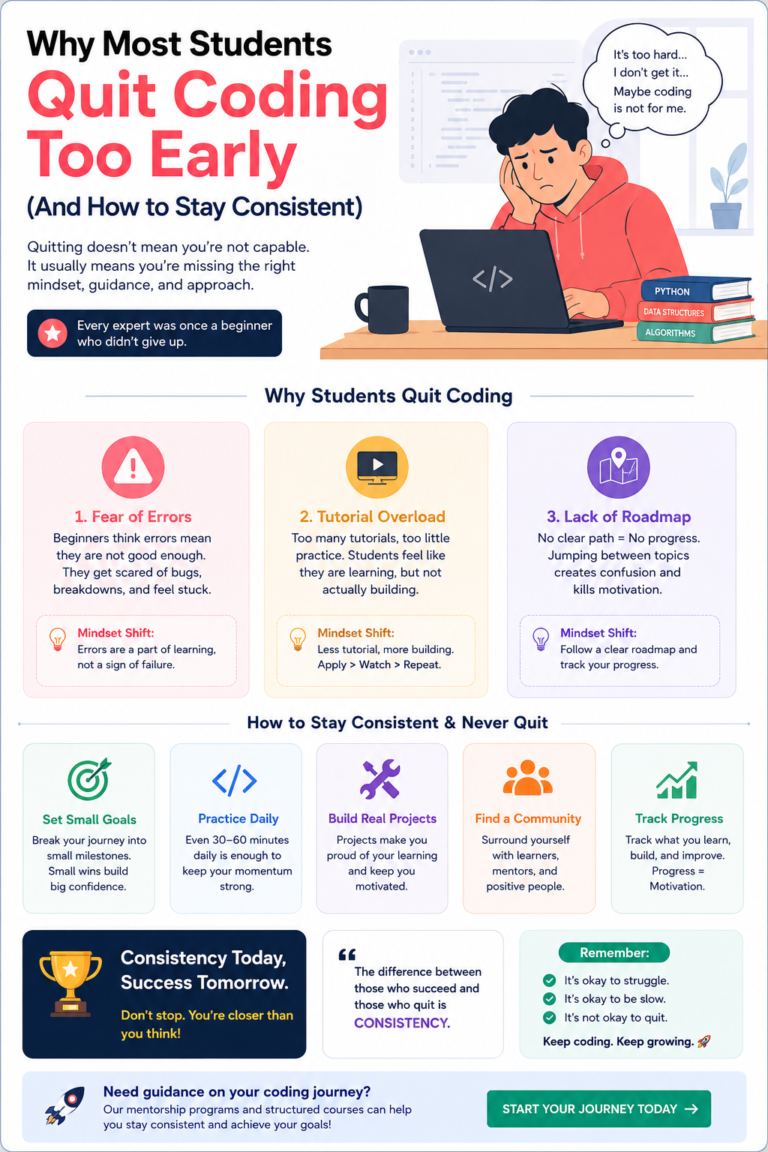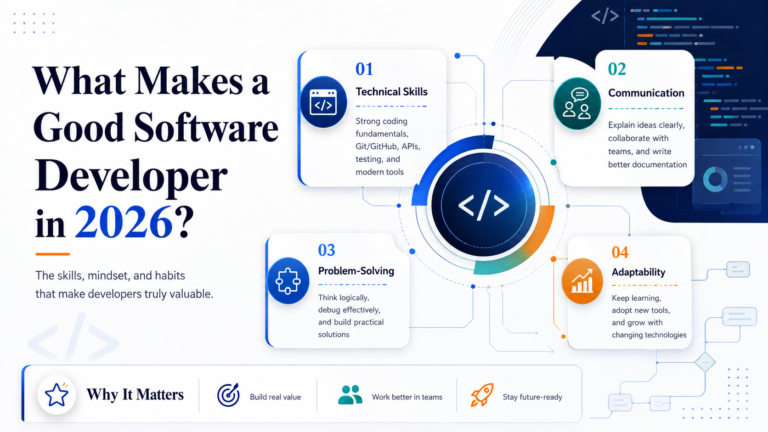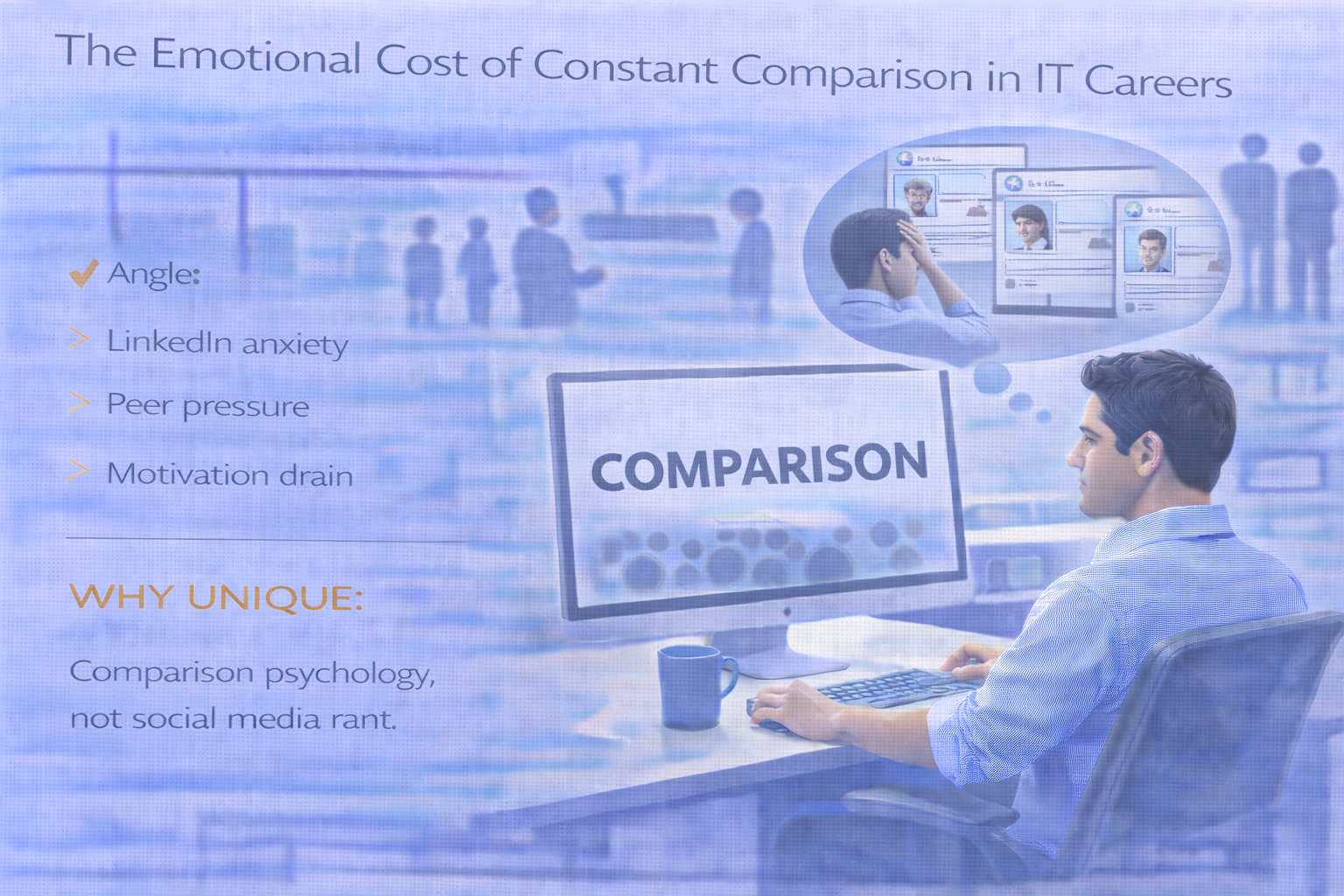
In today’s IT industry, comparison has become unavoidable. Promotions, job switches, certifications, and achievements are constantly visible—especially online. While comparison is often seen as motivation, for many IT professionals it carries a heavy emotional cost.
This blog explores how constant comparison impacts IT careers through LinkedIn anxiety, peer pressure, and motivation drain—and why this is a psychological issue, not a social media rant.
LinkedIn Anxiety: When Career Feeds Trigger Self-Doubt
LinkedIn has become a public scoreboard of success. Daily posts about promotions, new roles, salary hikes, and achievements quietly create anxiety.
IT professionals often experience:
- Feeling behind despite steady progress
- Questioning their own career choices
- Pressure to “announce success” publicly
- Anxiety after scrolling career updates
The problem isn’t LinkedIn itself—it’s how constant exposure rewires self-evaluation. Progress becomes measured against others instead of personal growth.
Peer Pressure: Competing With Invisible Benchmarks
In IT, peer groups strongly influence perception of success. When colleagues move faster, switch companies, or earn higher titles, it creates unspoken pressure.
This leads to:
- Rushing career decisions
- Learning skills without clear direction
- Feeling inadequate in stable roles
- Fear of being labeled “slow”
Instead of thoughtful growth, careers become reactive—driven by comparison rather than purpose.
Motivation Drain: When Comparison Kills Drive
Comparison initially motivates—but over time, it exhausts.
When professionals constantly feel behind:
- Effort feels pointless
- Achievements feel small
- Long-term goals lose meaning
- Burnout increases silently
Motivation shifts from curiosity and mastery to survival and validation. This emotional drain reduces creativity, learning depth, and confidence.
Why This Is Comparison Psychology, Not a Social Media Problem
The issue isn’t platforms—it’s human psychology. The brain is wired to compare status and belonging. In fast-moving IT careers, this instinct becomes amplified.
Comparison affects:
- Self-worth
- Decision-making
- Risk-taking ability
- Career satisfaction
Because these effects are internal, they are rarely discussed openly.
How to Reduce the Emotional Cost of Comparison
To protect emotional health in IT careers:
- Measure progress against your past self
- Limit passive scrolling without intent
- Define success beyond titles and salaries
- Focus on depth, not speed
Career growth is not a race—it is alignment between skills, timing, and personal goals.
Final Thoughts
Constant comparison quietly taxes IT professionals emotionally. It creates anxiety, drains motivation, and distorts self-perception.
Once comparison is understood as a psychological trap—not a competitive requirement—careers become calmer, clearer, and more sustainable.