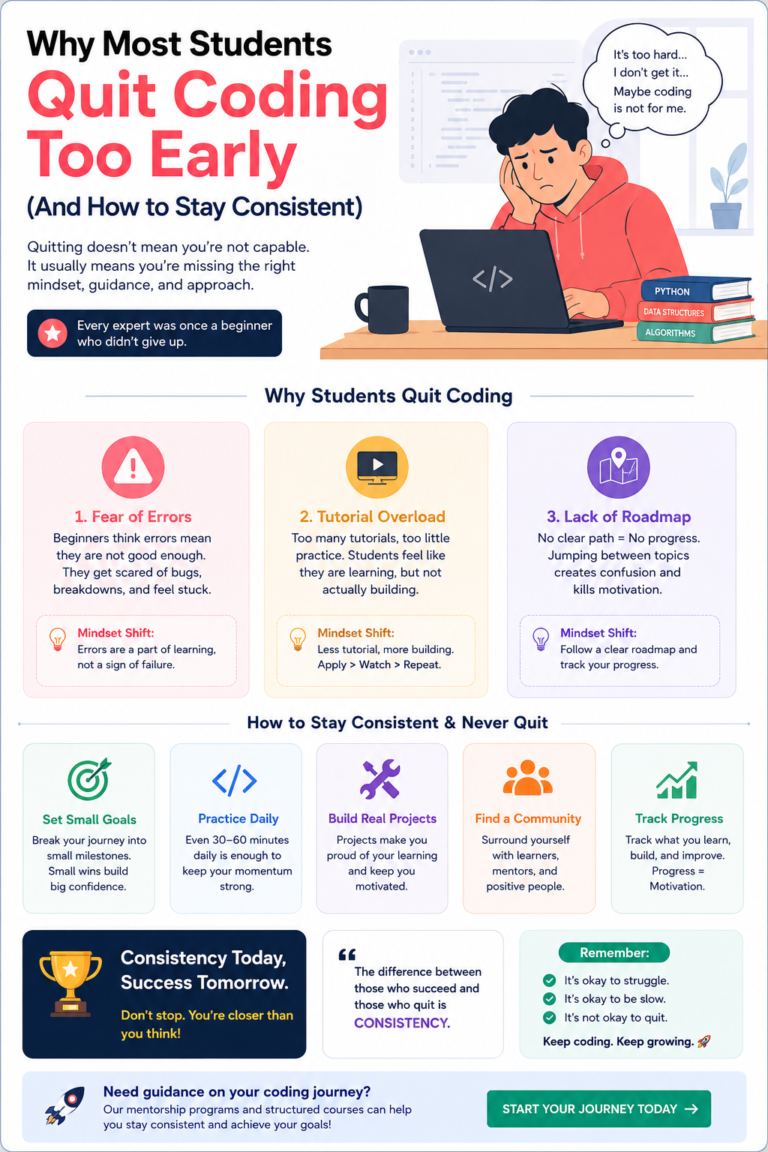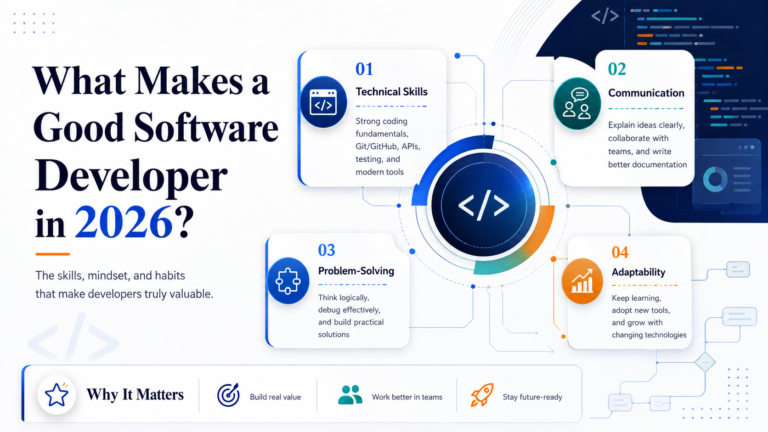
In IT careers, growth is often imagined as the result of big moves—switching companies, landing a top role, or learning a hot technology. In reality, careers are shaped far more by small, repeated decisions. These choices compound quietly, creating outcomes that feel sudden only in hindsight.
This is not motivation or advice about shortcuts. It is decision science applied to IT careers.
The Compounding Nature of Career Decisions
Compounding is simple: small inputs, repeated consistently, produce disproportionately large results over time. In IT, compounding shows up in how skills deepen, trust builds, and opportunities appear.
Examples of small decisions that compound:
- Choosing to understand a system instead of just finishing a task
- Writing documentation instead of relying on memory
- Asking one clarifying question before coding
- Fixing root causes instead of patching symptoms
Individually, these decisions seem minor. Over years, they reshape careers.
Early Choices Shape Learning Trajectories
Early-career professionals often underestimate how initial choices lock in trajectories. Decisions like:
- Which problems you volunteer for
- Whether you chase visibility or reliability
- How seriously you treat fundamentals
These choices influence what you are trusted with next. Trust then determines exposure, and exposure determines growth.
Skill Compounding vs Title Chasing
Titles change quickly. Skills compound slowly. Professionals who prioritize real skill-building over short-term labels often appear behind initially—but surpass peers later.
Skill compounding happens when:
- Each project adds depth, not just variety
- Mistakes are analyzed, not repeated
- Learning is intentional, not reactive
This creates long-term momentum.
Decision Quality Beats Decision Size
Career outcomes depend less on big decisions and more on decision quality. Choosing slightly better defaults—health over heroics, clarity over speed, depth over noise—protects long-term growth.
Poor defaults, even when small, also compound:
- Accepting unclear roles
- Normalizing burnout
- Ignoring feedback
These create silent drift.
Why Outcomes Feel Sudden—but Aren’t
From the outside, career success often looks abrupt. Promotions, recognition, and leadership roles appear to happen suddenly. Internally, they are the result of years of accumulated small decisions.
Compounding hides progress until it crosses a visible threshold.
Applying Decision Science to Your IT Career
Instead of asking, “What big move should I make?”, ask:
- What small decision am I repeating daily?
- Is it compounding in the right direction?
- What future version of my career does it favor?
This reframes growth as a system, not a gamble.
Final Thought
Big IT careers are built through small, consistent decisions. Compounding rewards patience, clarity, and discipline. Professionals who respect this dynamic stop chasing breakthroughs and start designing trajectories. Over time, the outcomes speak louder than any single decision.