For decades, classroom education has been the foundation of technical learning. However, the IT industry in 2026 demands much more than theoretical knowledge. Many students complete degrees and certifications but still struggle to get software jobs. The reason is clear — classroom learning alone is no longer enough.
If you are trying to understand software training gaps or looking for better ways of practical IT learning, this blog explains the industry gap, the importance of real-world exposure, and why a hybrid learning model is essential for software careers.
The Reality of Software Hiring in 2026
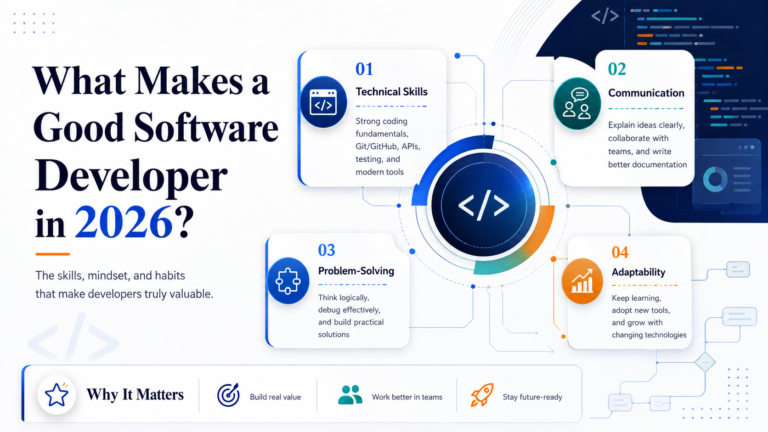
Software companies today work on live systems, real users, tight deadlines, and constantly changing requirements. They expect candidates to:
- Understand how real applications work
- Solve practical problems
- Adapt quickly to tools and technologies
Pure classroom learning often fails to prepare students for these realities.
What Classroom Learning Does Well
Classroom learning is still important and provides:
- Strong theoretical foundation
- Core computer science concepts
- Structured syllabus
- Academic discipline
However, its role is limited to building knowledge, not job readiness.
Software Training Gaps Created by Classroom-Only Learning
Many students face these gaps after traditional education:
1. Lack of Practical Exposure
Students know concepts but cannot apply them in real projects.
2. No Experience with Industry Tools
Most classrooms do not teach Git, deployment, debugging tools, or real workflows.
3. Weak Problem-Solving Confidence
Without hands-on practice, students hesitate during interviews and on the job.
4. No Understanding of Team-Based Development
Software development is collaborative, but classroom learning is often individual.
Why Practical IT Learning Is Critical
Practical IT learning focuses on doing, not just listening.
Benefits of practical learning:
- Builds real-world confidence
- Improves debugging and logical thinking
- Helps understand system flow
- Makes interviews easier
Students who practice more perform better in real software environments.
Industry Gap: What Companies Want vs What Students Have
Companies expect:
- Hands-on coding skills
- Live project experience
- Familiarity with tools and workflows
- Problem-solving mindset
Students often have:
- Theoretical knowledge
- Certificates
- Limited project exposure
This mismatch creates the industry gap.
The Hybrid Learning Model: Best of Both Worlds
The solution is not to eliminate classroom learning but to combine it with practical exposure.
A strong hybrid learning model includes:
- Classroom concepts for fundamentals
- Live projects for application
- Internship exposure
- Mentorship and guidance
This approach bridges the gap between education and employment.
Role of Internships and Live Projects
Internships and live projects provide:
- Real company experience
- Understanding of deadlines and responsibilities
- Exposure to teamwork and communication
- Strong resume value
They transform students from learners into professionals.
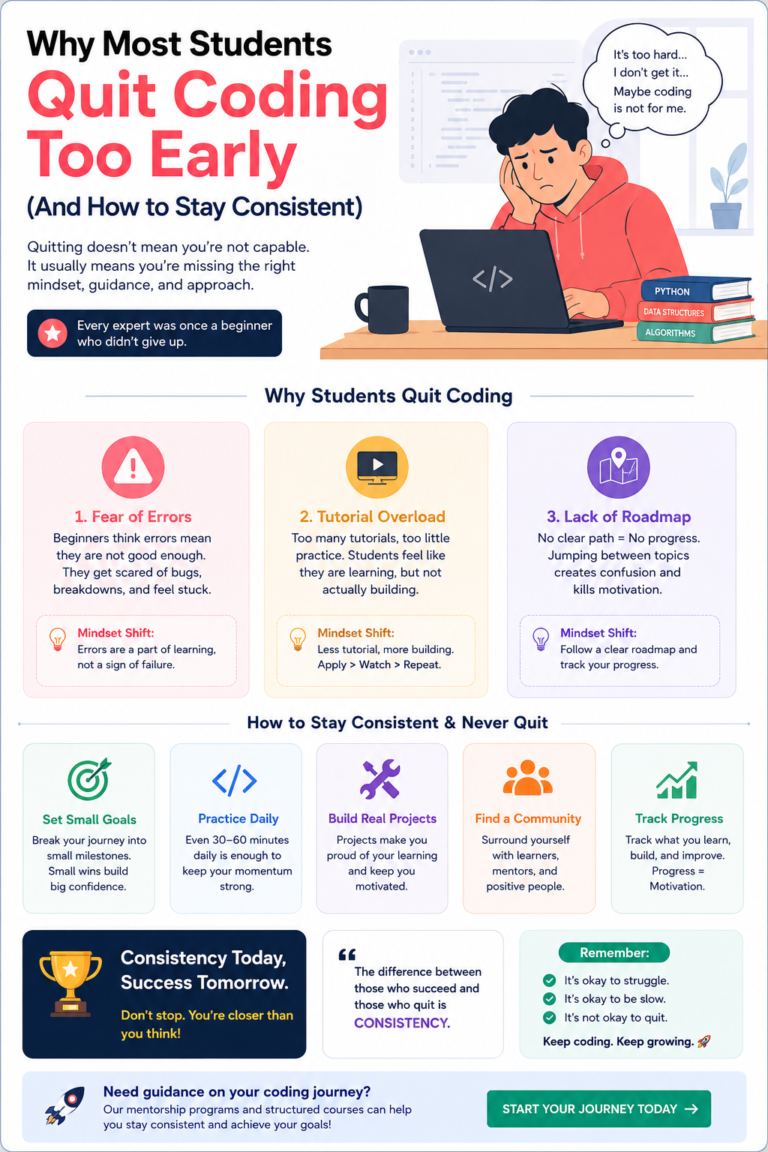
How Students Can Fix This Gap
Step 1: Identify Skill Gaps
Understand what you know vs what industry expects.
Step 2: Choose Project-Based Courses
Select programs that include real-world projects.
Step 3: Practice Regularly
Coding and problem-solving need consistency.
Step 4: Do Internships
Even short internships add huge value.
Role of Training Institutes
Good training institutes focus on practical IT learning.
Institutes like Forsk Coding School Jaipur emphasize:
- Job-oriented software training
- Live projects
- Internship integration
- Industry-aligned curriculum
This helps students become job-ready, not just certificate-ready.
Final Thoughts
Classroom learning builds knowledge, but practical exposure builds careers. In software jobs, companies value what you can build, debug, and deliver — not just what you studied.
To succeed in IT careers in 2026, students must move beyond classroom-only learning and adopt a hybrid learning model that combines theory, practice, projects, and internships.