Introduction: What Is MERN Stack?
The MERN Stack is one of the most popular full stack web development technologies used to build modern, fast, and scalable websites and web applications.
MERN is not a single tool.
It is a combination of four powerful technologies that work together to create complete websites—from frontend to backend and database.
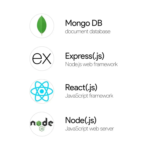
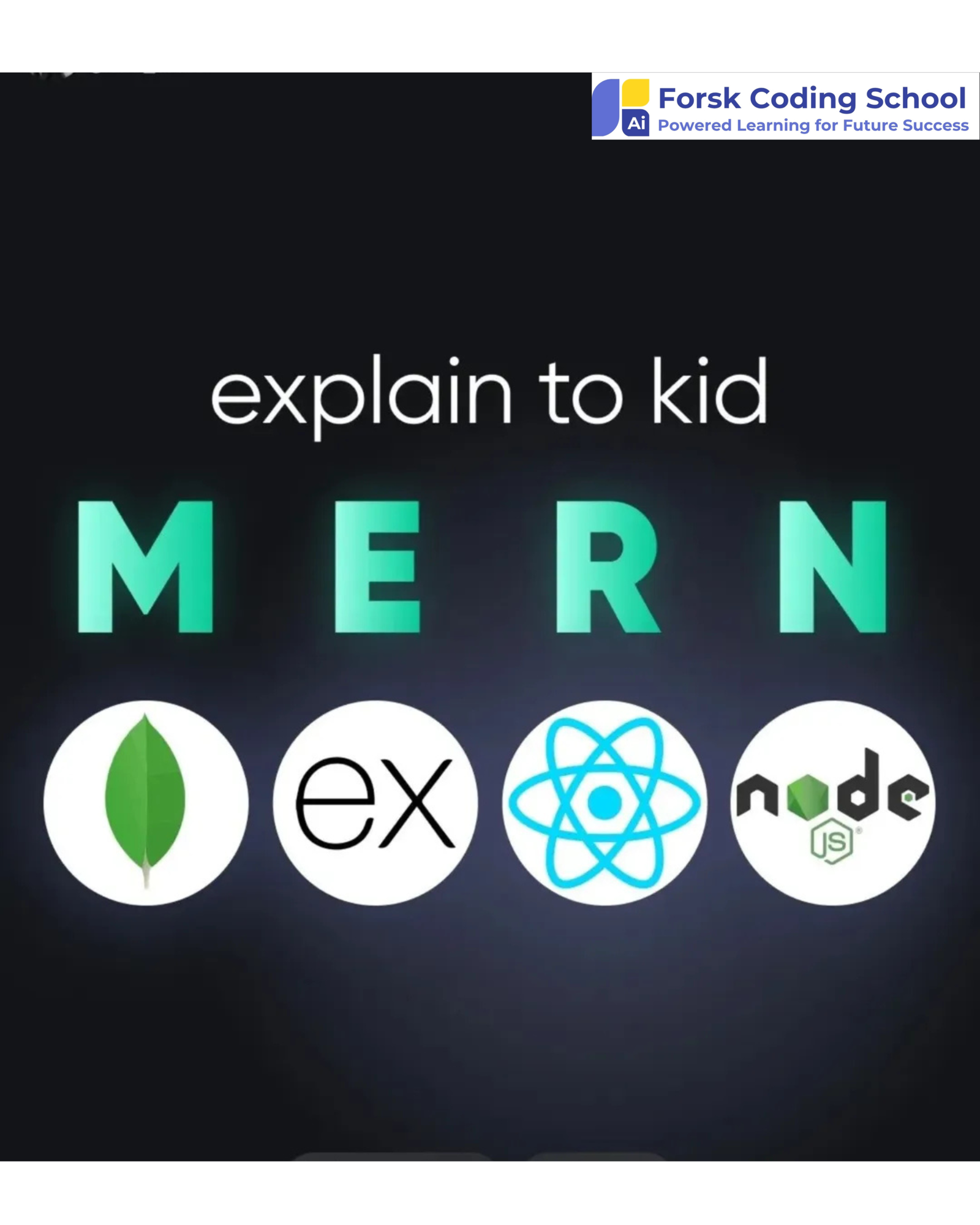
MERN = MongoDB + Express.js + React.js + Node.js
If you have ever wondered how websites like booking platforms, dashboards, or real-time apps are built, the answer is very often MERN Stack.
Why MERN Stack Is So Popular in 2025–2026
MERN Stack is widely used because:
- It uses JavaScript everywhere (frontend + backend)
- It is fast, scalable, and flexible
- It is preferred by startups and tech companies
- It is beginner-friendly yet industry-ready
- It offers high-paying job opportunities
This is why MERN Stack development is a top choice for students, freshers, and working professionals.
First Things First: What Should You Learn Before MERN?
Before starting MERN Stack, you must know:
- HTML – structure of a webpage
- CSS – styling and layout
- JavaScript – logic and interactivity
These are the foundation skills. MERN Stack is built on top of JavaScript, so strong basics matter.
MERN Stack Explained Like You’re a Kid
Let’s understand MERN in the simplest way possible.
Imagine you are building a restaurant website.
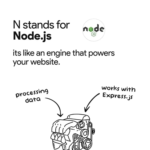
N – Node.js (The Engine)
Node.js works like the engine of your website.
- It runs JavaScript on the server
- It processes user data
- It connects everything together
- It works smoothly with Express.js
Without Node.js, your website cannot run on the backend.
Simple words:
Node.js gives power to your website.
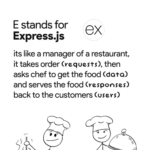
E – Express.js (The Manager)
Express.js is like the manager of a restaurant.
- It receives requests from users
- It decides what to do with the request
- It talks to the database
- It sends the response back to users
For example:
- User clicks “Login”
- Express receives the request
- Express asks the database
- Express sends the result back
Simple words:
Express.js manages requests and responses.
R – React.js (The Face of the Website)
React.js is the frontend part—what users see and interact with.
- Buttons
- Forms
- Pages
- Dashboards
- UI animations
React makes websites:
- Fast
- Smooth
- Interactive
- User-friendly
Simple words:
React.js is the face of your website.
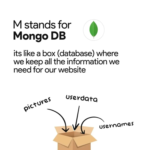
M – MongoDB (The Storage Box)
MongoDB is the database where all information is stored.
It stores:
- User details
- Login data
- Images
- Product data
- Messages
MongoDB is a NoSQL database, meaning:
- No fixed table structure
- Flexible data storage
- Perfect for modern applications
Simple words:
MongoDB is the storage box of your website.
How MERN Stack Works Together
- User interacts with React.js
- Request goes to Express.js
- Node.js processes the logic
- Data is stored or fetched from MongoDB
- Response goes back to React.js
- User sees the result instantly
This is why MERN Stack is fast and powerful.
Where Is MERN Stack Used?
MERN Stack is used to build:
- Social media platforms
- Admin dashboards
- E-commerce websites
- Booking systems
- Learning management systems
- Real-time applications
Many startups and companies prefer MERN because it is cost-effective and scalable.
Career Scope of MERN Stack Developer
If you learn MERN Stack properly, you can become:
- Full Stack Developer
- Backend Developer
- Frontend Developer
- Software Engineer
- Startup Tech Partner
Average benefits:
- High demand
- Freelancing opportunities
- Remote jobs
- Startup ecosystem exposure
Who Should Learn MERN Stack?
MERN Stack is ideal for:
- Students
- Fresh graduates
- Career switchers
- Frontend developers upgrading skills
- Backend developers learning full stack
If your goal is industry-ready skills, MERN Stack is a smart choice.
Final Words
The MERN Stack is not just a technology, it is a complete system for building real-world applications.
If you understand:
- JavaScript basics
- How frontend talks to backend
- How data flows in an application