In the IT industry, the word potential is used very generously—especially during interviews. Candidates are described as having high potential, fast learning ability, or strong future promise. Yet, when real projects begin, many high-potential professionals struggle to convert that promise into consistent results. This gap between potential and performance is one of the most misunderstood realities of IT careers.
Potential Wins Interviews, Performance Builds Careers
Potential is about what someone could do. Performance is about what someone actually delivers. During interviews, potential is judged through resumes, answers, certifications, and confidence. But once hired, none of that matters unless it translates into output.
In real IT teams, deadlines, quality, and reliability matter more than promise. Managers quickly shift focus from what you can become to what you produce today.
Why High Potential Often Fails in Real Work
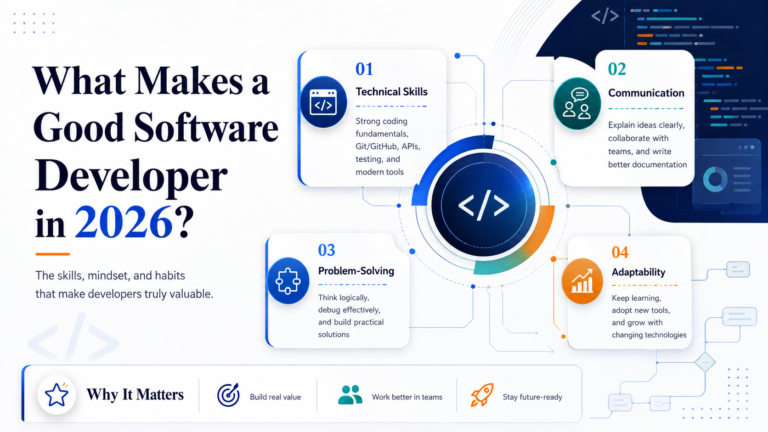
Many professionals assume that intelligence or fast learning will automatically lead to growth. However, IT work requires discipline, consistency, and ownership. High-potential individuals sometimes:
- Overestimate their readiness
- Delay execution while aiming for perfection
- Struggle with accountability under pressure
Without execution habits, potential stays theoretical.
Performance Is Built on Boring Fundamentals
Performance is not glamorous. It is built on everyday actions:
- Meeting deadlines
- Writing maintainable code
- Communicating progress clearly
- Fixing mistakes without excuses
These behaviors rarely impress in interviews, but they define trust in the workplace. Teams rely on performers, not promise-holders.
The Interview vs Workplace Reality Gap
Interviews reward articulation, confidence, and surface-level clarity. Workplaces reward consistency, reliability, and follow-through. This mismatch explains why some average interviewers outperform “star candidates” after joining.
Performance clarity comes when professionals understand that learning never stops, but delivery cannot wait.
How Potential Converts into Performance
Potential turns into performance when paired with:
- Strong execution habits
- Feedback acceptance
- Ownership mindset
- Emotional resilience
Professionals who focus on output instead of validation grow faster—even if they start with less raw talent.
Final Thought
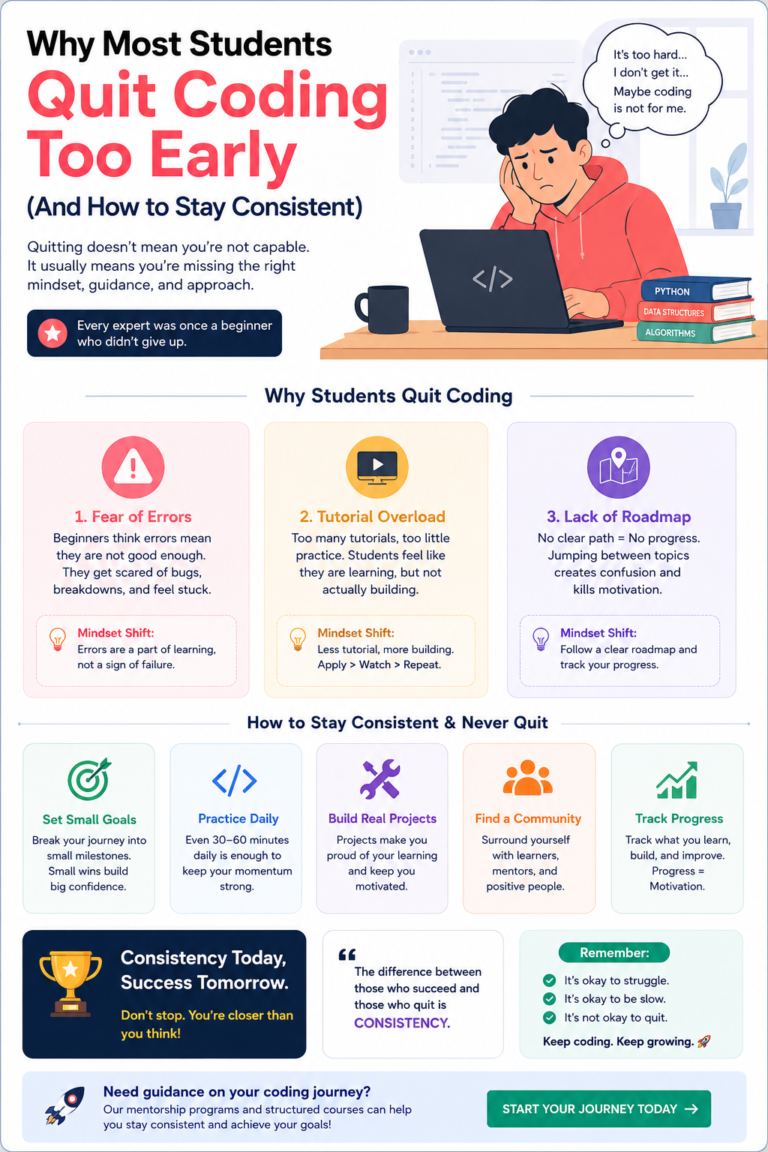
In IT careers, potential may open the door, but performance decides how far you go. Growth does not belong to the most promising—it belongs to the most consistent. When professionals stop hiding behind potential and start measuring themselves by results, real career momentum begins.