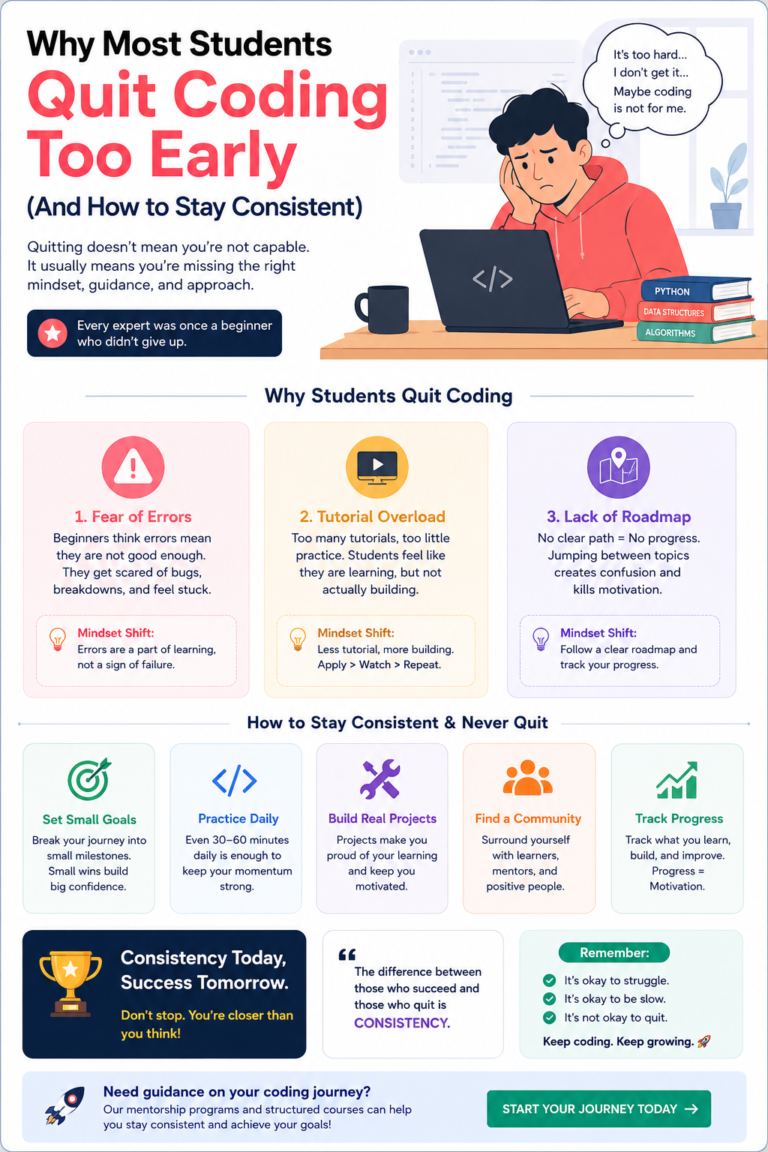
For decades, classroom learning has been the backbone of education. Notes, lectures, exams, and grades have helped students understand theory. But when it comes to software jobs, classroom learning alone is no longer enough.
This blog explains the industry gap between classroom education and real software work, and why a hybrid learning model is essential for today’s IT careers.
What Classroom Learning Does Well
Classroom education helps students:
- Understand theoretical concepts
- Learn fundamentals and definitions
- Build academic discipline
These are important—but they are only the starting point.
Where Classroom Learning Falls Short
Software jobs demand more than theory. Classroom learning often lacks:
- Real-world problem exposure
- Hands-on debugging experience
- Collaboration using industry tools
- Production-level thinking
This creates a gap between graduates and job expectations.
How Software Work Is Different from Exams
In real jobs:
- There is no fixed syllabus
- Problems are undefined
- Solutions require experimentation
- Learning happens continuously
Exams test memory; software jobs test thinking and execution.
The Role of Practical Exposure
Practical exposure teaches students:
- How to break problems into steps
- How to read and improve existing code
- How to handle errors and edge cases
These skills cannot be developed through lectures alone.
Why Live Projects Matter
Live projects simulate real software environments:
- Deadlines and deliverables
- Team communication
- Code quality and reviews
They build confidence and job readiness.
Tools You Never Learn Fully in Classrooms
Most classrooms do not deeply cover:
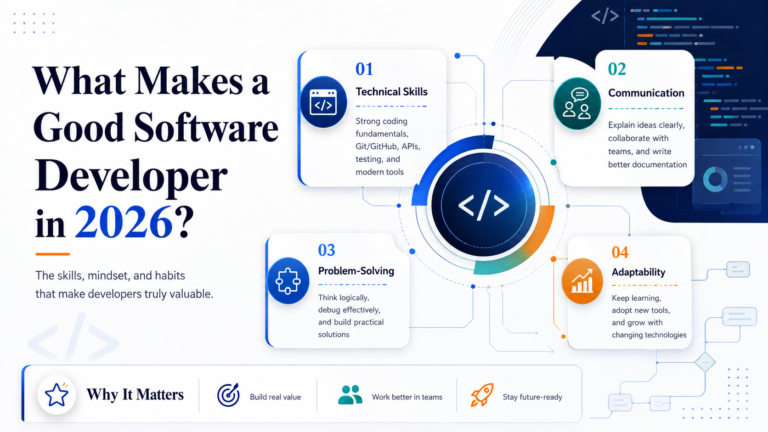
- Version control (Git)
- Debugging tools
- Deployment workflows
- Collaboration platforms
Yet these tools are used daily in software companies.
The Hybrid Learning Model That Works
The most effective approach combines:
- Classroom fundamentals
- Hands-on projects
- Mentorship and guidance
- Internship or real exposure
This hybrid model bridges the industry gap.
What Students Should Do
To become job-ready, students should:
- Apply theory through projects
- Learn tools alongside concepts
- Seek mentorship
- Gain internship exposure
Waiting for classrooms alone is risky.
Final Thoughts
Classroom learning builds the foundation—but software jobs are built on practice. Students who combine theory with hands-on experience grow faster, perform better in interviews, and succeed long-term in IT careers.