Optical Character Recognition (OCR) and Document AI Systems
Optical Character Recognition (OCR) and Document AI Systems
Optical Character Recognition (OCR) and Document AI Systems are advanced Artificial Intelligence technologies used to extract, process, and analyze text from images, scanned documents, PDFs, and handwritten files. OCR combines Computer Vision, Deep Learning, and Natural Language Processing to automate document understanding and intelligent data extraction.
Optical Character Recognition (OCR) and Document AI Systems are widely used in:
- Banking automation
- Invoice processing
- Passport verification
- Healthcare records management
- Smart document analysis
- Legal document automation
- Educational platforms
- Government digital systems
Understanding Optical Character Recognition (OCR) and Document AI Systems helps students build intelligent Artificial Intelligence systems capable of automated document analysis and text extraction.
What is Optical Character Recognition (OCR)?
Optical Character Recognition (OCR) is a Computer Vision technology used to:
- Extract text from images and scanned documents
OCR systems convert:
- Printed text
- Handwritten text
- PDF documents
into:
- Editable digital text
OCR automates document digitization and processing.
Why OCR is Important
Optical Character Recognition (OCR) and Document AI Systems are important because they help:
- Automate data entry
- Digitize documents
- Improve business workflows
- Reduce manual work
- Enhance document searchability
Many modern Artificial Intelligence systems depend heavily on OCR technologies.
How OCR Works
OCR systems work by:
- Capturing document images
- Preprocessing images
- Detecting text regions
- Recognizing characters
- Converting text into digital format
This enables intelligent document processing.
Image Preprocessing in OCR
OCR systems preprocess images using:
- Noise reduction
- Thresholding
- Image resizing
- Contrast enhancement
Benefits:
- Improved text recognition accuracy
- Better document quality
Preprocessing improves OCR performance significantly.
Thresholding in OCR
Thresholding converts images into:
- Binary black-and-white format
Benefits:
- Easier text detection
- Better character segmentation
Threshold Formula
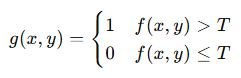
Thresholding simplifies document analysis.
Character Segmentation in OCR
Character segmentation separates:
- Individual characters
- Words
- Text lines
Benefits:
- Better recognition accuracy
- Improved text extraction
Segmentation improves OCR workflows significantly.
Text Detection in Computer Vision
Text detection identifies:
- Text regions inside images
Applications:
- Street sign recognition
- Document analysis
- License plate recognition
Text detection powers intelligent OCR systems.
CNN in OCR Systems
Convolutional Neural Networks (CNNs) automatically learn:
- Character shapes
- Text patterns
- Visual structures
CNNs improve:
- OCR accuracy
- Handwriting recognition
- Text classification
Deep Learning powers modern OCR systems.
Recurrent Neural Networks in OCR
RNNs process:
- Sequential text information
Benefits:
- Better handwriting recognition
- Improved sequence prediction
- Enhanced text understanding
RNNs improve OCR language modeling significantly.
Tesseract OCR
Tesseract is one of the most popular OCR engines developed by:
Benefits:
- Open-source support
- Multi-language recognition
- Strong text extraction performance
Tesseract powers many OCR applications.
Install Tesseract in Python
pip install pytesseractTesseract simplifies OCR implementation significantly.
OCR Example in Python
Import Libraries
import cv2import pytesseractRead Image
image = cv2.imread("document.jpg")Extract Text
text = pytesseract.image_to_string(image)Python simplifies Document AI development significantly.
Handwritten Text Recognition (HTR)
HTR systems recognize:
- Handwritten characters
- Notes
- Forms
- Historical documents
Applications:
- Educational systems
- Banking forms
- Healthcare records
AI improves handwriting recognition accuracy significantly.
Document Layout Analysis
Document layout analysis identifies:
- Paragraphs
- Tables
- Headers
- Signatures
- Images
Benefits:
- Structured document understanding
- Better data extraction
Layout analysis powers intelligent Document AI systems.
Table Detection in OCR
AI systems detect:
- Tables inside documents
Applications:
- Invoice automation
- Financial reports
- Spreadsheet extraction
Table recognition improves business automation significantly.
Named Entity Recognition (NER) in Document AI
NER identifies:
- Names
- Dates
- Addresses
- Organizations
- Financial values
inside:
- Documents and forms
NER improves intelligent data extraction significantly.
OCR Accuracy Metrics
OCR systems are evaluated using:
- Character Accuracy Rate (CAR)
- Word Accuracy Rate (WAR)
Higher accuracy indicates:
- Better text recognition performance
Accuracy Formula
Accuracy=Correct Predictions/Total Predictions
Accuracy metrics improve OCR evaluation.
AI-Based Document Classification
Document classification categorizes:
- Invoices
- Legal files
- Medical reports
- Identity documents
Applications:
- Smart business automation
- Enterprise AI systems
Classification improves document workflows significantly.
Passport and ID Verification Systems
OCR systems analyze:
- Passports
- Aadhaar cards
- Driving licenses
- Identity documents
Applications:
- Airport security
- Banking verification
- Government automation
OCR improves digital identity systems significantly.
OCR in Healthcare AI
Healthcare AI systems use OCR for:
- Patient records
- Medical reports
- Prescription analysis
- Insurance documentation
OCR improves healthcare automation significantly.
OCR in Banking Automation
Banking systems use OCR for:
- Cheque processing
- Invoice extraction
- Loan documentation
- Fraud detection
Document AI powers financial automation systems.
Real-Time OCR Systems
Real-time OCR processes:
- Live camera text
Applications:
- Mobile translation apps
- Smart navigation systems
- AI assistants
Real-time OCR improves intelligent automation significantly.
OpenCV in OCR Development
OpenCV supports:
- Image preprocessing
- Edge detection
- Thresholding
- Text region analysis
OpenCV improves OCR workflows significantly.
Applications of OCR and Document AI
Optical Character Recognition (OCR) and Document AI Systems are used in:
- Banking automation
- Healthcare systems
- Smart education platforms
- Government digital systems
- Enterprise AI solutions
- Legal automation
- AI-powered document analysis
OCR powers many modern Artificial Intelligence applications.
Document AI in Artificial Intelligence
Artificial Intelligence systems use Document AI for:
- Automated data extraction
- Smart workflow automation
- Intelligent document understanding
- Digital transformation
Document AI is transforming business automation globally.
Advantages of OCR Systems
- Reduces manual data entry
- Improves document digitization
- Enhances workflow automation
- Supports intelligent search systems
- Increases operational efficiency
Disadvantages of OCR Systems
- Poor performance on low-quality images
- Handwriting recognition complexity
- Multi-language challenges
- High computational requirements
AI engineers must optimize OCR systems carefully.
Challenges in OCR Development
OCR systems may face:
- Blurry document images
- Poor lighting conditions
- Complex handwriting styles
- Document layout variations
- Multi-language processing issues
Proper optimization improves Artificial Intelligence system performance significantly.
Best Practices for OCR Development
- Use high-quality document images
- Apply preprocessing techniques properly
- Optimize OCR models carefully
- Use Deep Learning for handwriting recognition
- Monitor recognition accuracy regularly
- Support multilingual OCR systems
Good practices improve OCR system reliability significantly.
Future Scope of OCR and Document AI Skills
Optical Character Recognition (OCR) and Document AI Systems are essential for:
- Artificial Intelligence
- Banking automation
- Healthcare AI
- Government digital systems
- Enterprise automation
- Smart business platforms
- Intelligent workflow systems
AI Engineers with strong OCR and Document AI skills are highly valuable in modern industries.
Key Takeaways
- OCR extracts text from images and scanned documents.
- Tesseract is one of the most popular OCR engines.
- CNNs improve text recognition accuracy significantly.
- Document AI automates intelligent document processing.
- OCR powers modern banking, healthcare, and enterprise automation systems.
Frequently Asked Questions (FAQs)
What is Optical Character Recognition (OCR)?
OCR is a technology used to extract text from images and scanned documents.
What is Tesseract OCR?
Tesseract is an open-source OCR engine widely used for text extraction.
Why is preprocessing important in OCR?
Preprocessing improves image quality and enhances text recognition accuracy.
What is Document AI?
Document AI automates document analysis, extraction, and intelligent processing using Artificial Intelligence.
Which industries use OCR systems?
Banking, healthcare, education, legal services, and government industries use OCR systems extensively.