K-Nearest Neighbors (KNN) Algorithm in Machine Learning
K-Nearest Neighbors (KNN) Algorithm in Machine Learning
K-Nearest Neighbors (KNN) Algorithm in Machine Learning is one of the simplest and most powerful supervised learning algorithms used in Artificial Intelligence, Data Science, recommendation systems, and predictive analytics. KNN helps Machine Learning models classify data and make predictions based on the similarity between nearby data points.
K-Nearest Neighbors (KNN) Algorithm in Machine Learning is widely used in:
- Recommendation systems
- Image recognition
- Pattern recognition
- Fraud detection systems
- Customer segmentation
- AI prediction systems
- Healthcare analytics
- Classification applications
Understanding K-Nearest Neighbors (KNN) Algorithm in Machine Learning helps students build strong foundations for Artificial Intelligence, predictive analytics, and intelligent classification systems.
What is K-Nearest Neighbors (KNN)?
K-Nearest Neighbors (KNN) is a supervised Machine Learning algorithm used for:
- Classification tasks
- Regression tasks
KNN predicts outputs based on:
- Similar nearby data points
The algorithm stores training data and compares new inputs with existing examples.
Why KNN is Important
K-Nearest Neighbors (KNN) Algorithm in Machine Learning is important because it helps:
- Build simple prediction systems
- Detect similar patterns
- Improve recommendation systems
- Support intelligent AI classification
- Analyze nearest data relationships
Many Artificial Intelligence applications rely on KNN models for similarity-based predictions.
Example of KNN
Suppose a recommendation system wants to suggest movies.
KNN identifies:
- Users with similar interests
- Similar viewing patterns
and recommends related movies automatically.
Understanding the Value of K
In KNN:
- K represents the number of nearest neighbors considered for prediction.
Example
K = 5This means:
- The algorithm checks the 5 nearest data points before making predictions.
How KNN Works
KNN works by:
- Selecting the value of K
- Calculating distances between data points
- Identifying nearest neighbors
- Using voting or averaging
- Predicting outputs
The model predicts based on similarity.
Distance Calculation in KNN
KNN uses distance metrics to identify nearby data points.
Popular distance metrics include:
- Euclidean Distance
- Manhattan Distance
- Minkowski Distance
Euclidean Distance Formula
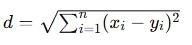
Where:
- xi = First data point
- yi = Second data point
Euclidean Distance measures straight-line distance between points.
Manhattan Distance Formula
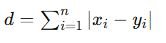
Manhattan Distance measures movement along grid paths.
KNN for Classification
KNN classification predicts categories based on majority voting.
Example
If nearest neighbors are:
- 4 Spam
- 1 Not Spam
Final prediction:
- Spam
Example Output
Prediction = SpamKNN for Regression
KNN regression predicts numerical values using averaging.
Example
If nearest neighbor values are:
- 200000
- 220000
- 210000
Prediction:
- Average value
Formula for KNN Regression

KNN Example in Python
Import KNN Classifier
from sklearn.neighbors import KNeighborsClassifierCreate Model
model = KNeighborsClassifier(n_neighbors=5)Train Model
model.fit(X_train, y_train)Predict Values
predictions = model.predict(X_test)Scikit-learn simplifies KNN implementation significantly.
Choosing the Right Value of K
Choosing K properly is important.
Small K Values
- More sensitive to noise
- Higher variance
Large K Values
- More stable predictions
- Higher bias
Balancing K improves Machine Learning performance.
Applications of KNN
K-Nearest Neighbors (KNN) Algorithm in Machine Learning is used in:
- Recommendation systems
- Image recognition
- AI prediction systems
- Healthcare diagnostics
- Fraud detection
- Pattern recognition
- Customer analytics
Many Artificial Intelligence systems rely on KNN for similarity-based predictions.
KNN in Artificial Intelligence
Artificial Intelligence systems use KNN for:
- Intelligent recommendations
- Classification systems
- Similarity detection
- Pattern analysis
KNN is one of the simplest and most practical Machine Learning algorithms in AI.
Advantages of KNN
- Simple and easy to understand
- No training phase required
- Effective for small datasets
- Supports classification and regression
- Flexible and practical algorithm
Disadvantages of KNN
- Slow on large datasets
- High memory usage
- Sensitive to irrelevant features
- Requires feature scaling
- Computationally expensive during prediction
Feature Scaling in KNN
Feature scaling is important because:
- Distance calculations depend on numerical ranges
Without scaling:
- Large values dominate predictions
Standardization Formula
Feature scaling improves KNN accuracy significantly.
Challenges in KNN
KNN may face:
- High computational cost
- Large memory requirements
- Imbalanced datasets
- Noise sensitivity
- Poor performance with irrelevant features
AI engineers must preprocess datasets carefully.
KNN vs Logistic Regression
| Logistic Regression | KNN |
|---|---|
| Parametric algorithm | Non-parametric algorithm |
| Learns decision boundaries | Uses nearest neighbors |
| Faster predictions | Slower predictions |
Both algorithms are important in Machine Learning systems.
Best Practices for KNN
- Normalize datasets properly
- Select optimal K values
- Remove irrelevant features
- Handle imbalanced data carefully
- Validate models using testing datasets
- Optimize feature selection
Good practices improve KNN performance significantly.
Future Scope of KNN Skills
K-Nearest Neighbors (KNN) Algorithm in Machine Learning is essential for:
- Artificial Intelligence
- Recommendation Systems
- Data Science
- Healthcare AI
- Cybersecurity
- Predictive Analytics
- Automation Engineering
Machine Learning Engineers with strong KNN knowledge are highly valuable in modern industries.
Key Takeaways
- KNN predicts outputs using nearby data points.
- Euclidean Distance measures similarity between data points.
- KNN supports both classification and regression.
- Choosing the right K value is important for accuracy.
- KNN powers many Artificial Intelligence recommendation systems.
Frequently Asked Questions (FAQs)
What is K-Nearest Neighbors in Machine Learning?
KNN is a supervised Machine Learning algorithm that predicts outputs based on nearby data points.
What does K represent in KNN?
K represents the number of nearest neighbors considered for predictions.
Why is feature scaling important in KNN?
Feature scaling improves distance calculations and prediction accuracy.
Can KNN perform regression tasks?
Yes. KNN supports both classification and regression problems.
Which industries use KNN?
Healthcare, recommendation systems, finance, cybersecurity, and Artificial Intelligence industries use KNN extensively.