

Skip to content

C Programming Course in Jaipur

Learn C Programming Course with practical training in Jaipur at Forsk Coding School. Build real-world skills through structured lessons, hands-on exercises, projects, troubleshooting, assessment practice and career-focused guidance.

Project Based Beginner to Intermediate

Learning goals

  • Build practical, job-oriented skills in C Programming.
  • Understand the complete workflow from fundamentals to real-world implementation.
  • Practise concepts through guided exercises and scenario-based assignments.
  • Use relevant tools and professional workflows confidently.
  • Create project work that demonstrates your skills.
  • Develop troubleshooting, testing and problem-solving ability.
  • Prepare for technical assessments and interviews.
  • Build a foundation for advanced learning and career growth.

Skills you'll gain

Core ConceptsPractical SkillsTools & WorkflowProblem SolvingDebuggingProjectsTestingInterview Preparation

Course description

The C Programming Course at Forsk Coding School, Jaipur is designed for learners who want practical, structured training with a clear path from fundamentals to real-world application. The program combines instructor-led concepts, demonstrations, guided practice and project work.

Learners practise the tools and workflows used in the subject, work through realistic scenarios and develop the ability to troubleshoot and explain their solutions. The exact depth and toolset are aligned to the selected course and batch.

By the end of the program, learners should have a stronger practical foundation, project experience and a clear roadmap for further specialization.

Course highlights

  • Structured learning path from fundamentals to advanced topics
  • Hands-on exercises and practical implementation
  • Real-world scenarios and project-based learning
  • Industry tools and workflow exposure
  • Debugging, testing and problem-solving practice
  • Technical assessment and interview preparation
  • Career-focused mentoring and project guidance

Requirements

  • Basic computer knowledge
  • Beginner learners can start from fundamentals; advanced programs may have prerequisites
  • A computer/laptop suitable for the course tools
  • Regular practice is recommended for best results

Who should join?

  • Students and freshers building job-ready technology skills.
  • College learners preparing for academic and technical assessments.
  • Working professionals looking to upskill or change roles.
  • Learners who prefer practical and project-based training.

C Programming Course Curriculum

Practical, project-based learning

  • Introduction and learning roadmap
  • Core terminology and concepts
  • Tools and environment setup
  • Professional workflow

  • Fundamentals in depth
  • Common workflows and use cases
  • Practical demonstrations
  • Exercises and checkpoints

  • Intermediate techniques
  • Configuration and customization
  • Troubleshooting
  • Performance and quality basics

  • Advanced concepts and patterns
  • Real-world implementation
  • Security and reliability
  • Optimization

  • Industry tools and interfaces
  • Version control/documentation
  • Collaboration workflow
  • Professional standards

  • Guided exercises
  • Scenario-based problem solving
  • Debugging and validation
  • Reusable workflows

  • Requirements analysis
  • Solution design
  • Implementation plan
  • Testing checklist

  • Build the project
  • Apply course concepts
  • Test and refine
  • Document the final work

  • Technical questions
  • Practical assessment
  • Project explanation
  • Problem-solving practice

  • Relevant roles
  • Portfolio and resume
  • Further certifications
  • Professional growth roadmap

Practical Projects

Project work is aligned with the course domain and focuses on applying the concepts covered in the curriculum. Learners practise planning, implementation, testing, documentation and presentation.

  • Guided mini project
  • Feature-based practical assignments
  • Real-world scenario project
  • Final portfolio/capstone project

Tools & Technologies

Core ConceptsPractical SkillsTools & WorkflowProblem SolvingDebuggingProjectsTestingInterview Preparation

Career Opportunities

After building sufficient hands-on skills, learners can target entry-level opportunities related to C Programming. Job titles, responsibilities and eligibility vary by employer and experience.

  • Entry-level roles related to C Programming
  • Junior developer, analyst, tester or administrator roles where applicable
  • Internship and trainee opportunities
  • Freelance and project-based opportunities where relevant

Certification & Career Support

Course completion recognition may be provided according to the selected Forsk Coding School program. Career-focused support can include project guidance, resume preparation, interview practice and portfolio development.

Meet Your Faculty

C Programming Trainers at Forsk Coding School

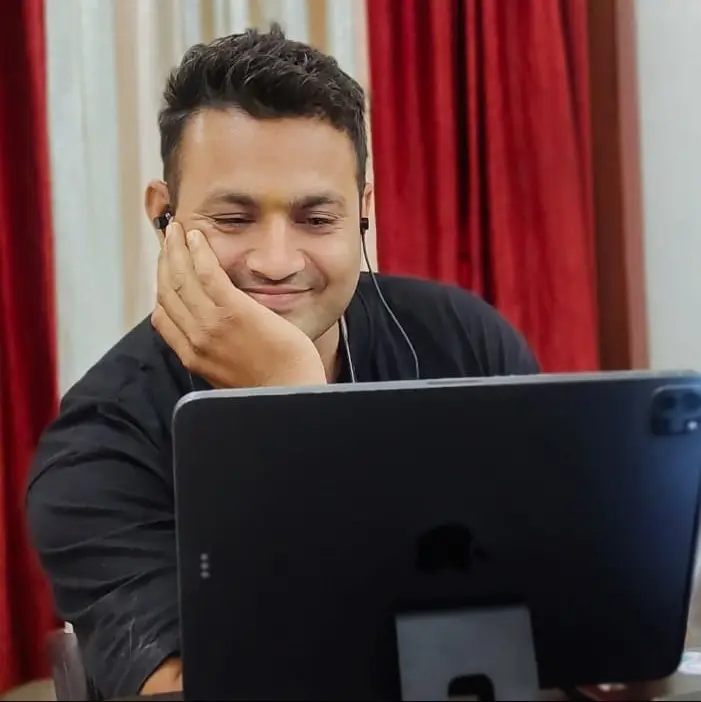
Learn C Programming with named faculty members Satnam Singh and Shivanshi Paliwal. Both teach this subject, with practical lessons, guided coding and real problem-solving.

Satnam Singh, C Programming trainer at Forsk Coding School

Satnam Singh

Software Architect @ Forsk Technologies
C ProgrammingProgramming Faculty

Satnam Singh teaches C Programming at Forsk Coding School. Focus: C syntax, control flow, functions and problem-solving practice.

View Faculty Profile →
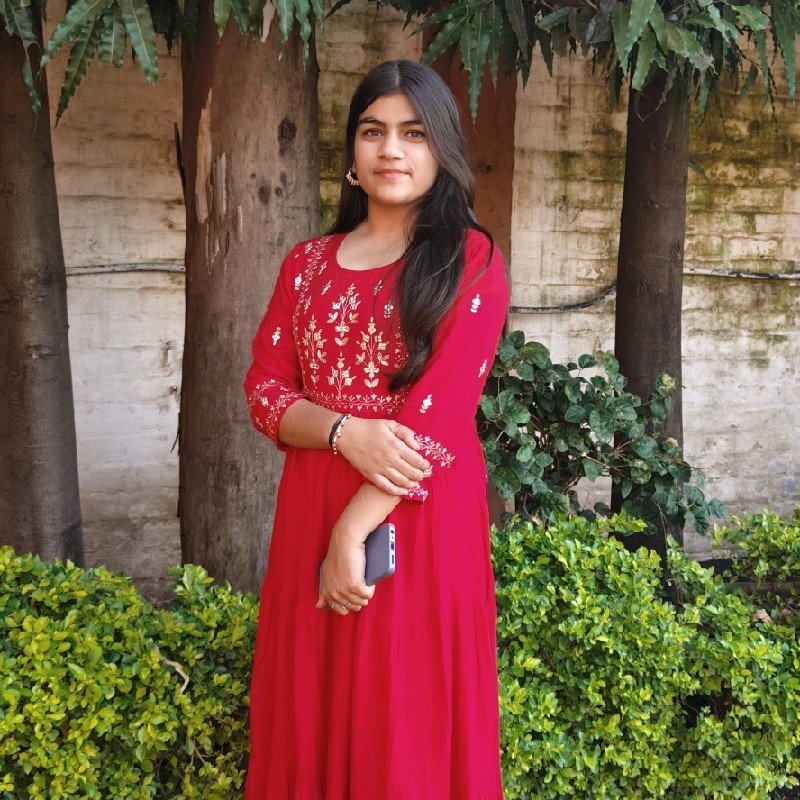
Shivanshi Paliwal, C Programming trainer at Forsk Coding School

Shivanshi Paliwal

Senior Software Engineer @ Forsk Technologies
C ProgrammingProgramming Faculty

Shivanshi Paliwal teaches C Programming at Forsk Coding School. Focus: C syntax, control flow, functions and problem-solving practice.

View Faculty Profile →

Instructor allocation can vary by batch. Confirm your trainer and schedule with the admissions team before enrolling.

Learning Support & Practice

Practice First

A practical path from learning to application

Learners reinforce each module through exercises, revision, troubleshooting and project-based practice.

  • Concept-wise practice
  • Problem-solving and debugging
  • Project guidance
  • Interview-oriented preparation

Frequently Asked Questions

The course begins with fundamentals and progresses to practical implementation. Advanced-only programs may have prerequisites.
You will learn the concepts, tools, workflows and practical techniques listed in the curriculum, supported by exercises and project-based application.
Yes. Practical assignments and projects are included to help learners apply concepts and create portfolio evidence.
The program includes interview-oriented questions, assessment practice and guidance on explaining projects and skills professionally.
Use the Enquire Now or Start Learning button on this page to contact Forsk Coding School about the current batch, fee and admission process.

C Programming: skills, practice plan and next steps

C is a useful first language for understanding how a program executes, how data is stored and why careful debugging matters. Work through one concept at a time, then combine concepts in small console applications.

Topics to practise

  • Program structure, compilation and reading errors
  • Variables, types, operators and input/output
  • Conditions, loops and reusable functions
  • Arrays, strings, pointers and memory basics
  • Structures, file handling and debugging

Suggested beginner projects

These are practice ideas, not a guarantee that every batch uses the same assignments.

  • Build a menu-driven calculator with input validation
  • Write a student-marks report using arrays and functions
  • Create a simple file-based contact or inventory record

Choose your next learning step

Practical questions about this language

Do I need programming experience before learning C?

No prior programming experience is necessary to begin practising C fundamentals. Familiarity with basic computer use helps.

Should I learn C before C++?

C can strengthen your understanding of control flow, arrays and pointers. You can also begin with C++ directly if your goal is object-oriented programming.

What should I build after learning C basics?

Start with a calculator or grade tracker, then try a small project that uses functions, file handling and input validation.

Finished a relevant course and ready for supervised practice? Enquire about internship opportunities. Availability and eligibility should be confirmed with the academic team.

Ask About Syllabus & Batches

Jaipur student resources

Planning classroom learning in Shyam Nagar?

Use the verified Forsk Coding School Shyam Nagar branch page for the official address, directions and course enquiry. Students relocating to Jaipur can also compare nearby boys PGs, girls PGs, hostels and co-living options in the accommodation guide.

Your learning roadmap for 2027

Explore practical skills, portfolio milestones and career preparation for your course.

Browse Course Roadmaps 2027
Forsk Coding School · Daily course batches

Find your next batch.

Online and offline starts for every course, from 19 October 2026 to 18 April 2027. All times are Indian Standard Time (IST).

Daily timings: 4 offline and 8 online batches per course

Offline: 8–10 AM · 11 AM–1 PM · 2–4 PM · 6–8 PM

Online: 5–7 AM · 7–9 AM · 9–11 AM · 11 AM–1 PM · 2–4 PM · 5–7 PM · 8–10 PM · 10–11:59 PM

Upcoming batches

Ongoing batches

For currently running batches and joining options, please contact the course team.

Choose your preferred start and enquire about joining. Course duration, fees and classroom location are provided by the course team.

View the six-month batch calendar →